What Is Life Story Work? A Guide to The Five Approaches
Understanding the different ways children can be supported to explore, understand and make sense of their life story.
Laura Neal, BCBA UKBA(cert)
Founder, The Behaviour Clinic
Co-creator The Five Approaches to Life Story Work
Published
Wednesday, October 7, 2026
Theme
Life Story Work
Reading Time
6 Minutes
What Do We Mean by Life Story Work?
Life Story Work is a term used widely across social care, fostering and adoption, but it does not always mean the same thing to everyone.
For some, Life Story Work means creating a Life Story Book. For others, it means direct work undertaken with a child. It can also describe conversations with carers, work to help a child understand particular experiences, or specialist therapeutic intervention.
For years, my colleague Kim Matthews and I were frustrated by this lack of clarity in the field.
When we say “this child needs Life Story Work,” we haven't actually identified what the child needs, what we are trying to achieve or who is best placed to support them.
Life Story Work is much broader than one intervention. Children need different types of support to
understand their history, experiences, relationships and identity, and also to feel heard, accepted and that they belong in the home they live in now. Their needs can change throughout childhood.
So perhaps “Does this child need Life Story Work?” isn't really the question we should be asking.
Perhaps a better question is “What does this child need from Life Story Work, and how do we provide that support on an ongoing basis?”
Why One Approach Isn't Enough
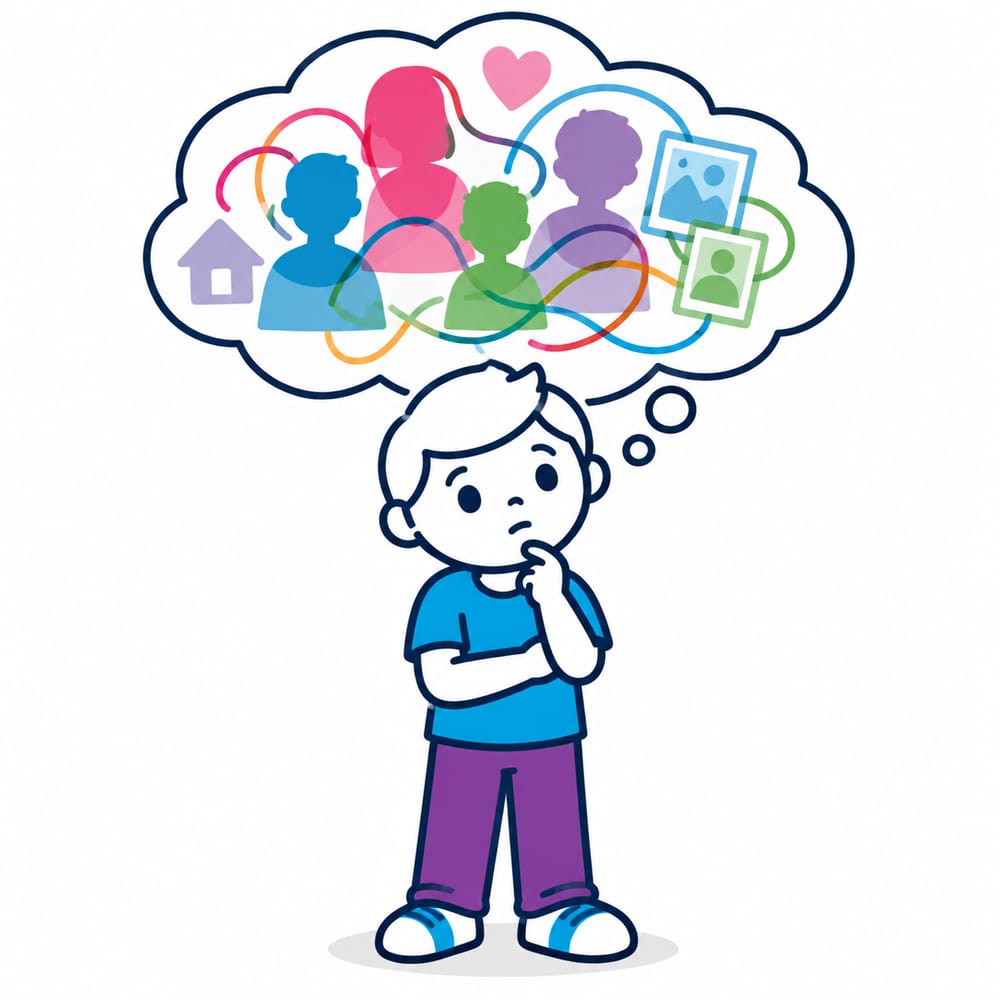
Children's Life Story needs are not all the same. A child might need an adult who can listen and respond safely when they spontaneously ask about their past. They may need photographs, memories and important information preserved. Their carer may need support to help them talk about their history. At another point, they may need planned direct work around a particular question or specialist therapeutic support to process traumatic experiences.
This is why Kim and I developed The Five Approaches to Life Story Work, to bring greater clarity to the different ways children can be supported with their life story.
Life Story Work isn't one intervention. The right approach depends on what the child needs.
The Five Approaches to Life Story Work
The Five Approaches to Life Story Work provide a framework for selecting the right approach at the right time, matching support to the individual needs of the child.
They range from accessible approaches that can form part of everyday life to specialist therapeutic intervention. Here they are, explained in brief...
The Five Approaches to Life Story Work Explained in Brief
Life Story Listening
Definition: “Listens to the young person, empathises, and comforts but doesn’t provide information or question facts and perceptions.”
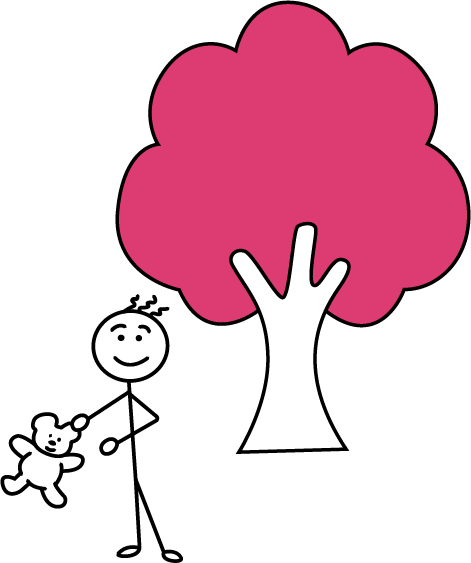
Life Story conversations can happen at any time. Life Story Listening equips carers and practitioners to provide a safe space where a child can talk about their experiences, feel heard and receive appropriate comfort and reassurance without the listener trying to correct, fix or provide information they may not have.
Life Story Permanent Products
Definition: “Creates a permanent and organic record of all or part of the young person’s history.”
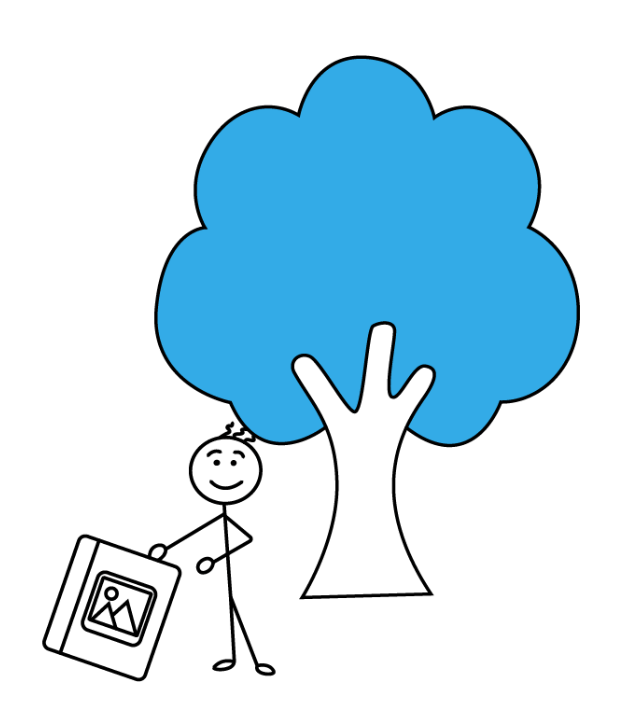
Permanent Products preserve important parts of a child's history through resources such as Life Story Books, Later Life Letters, Memory Boxes, photographs and other meaningful items. They give children something permanent they can return to throughout their lives.
Life Story Coaching
Definition: “Collects and shares information, offers a safe space to wonder and reflect, supports the young person to process past and present life events to support relationships.”

Permanent Products preserve important parts of a child's history through resources such as Life Story Books, Later Life Letters, Memory Boxes, photographs and other meaningful items. They give children something permanent they can return to throughout their lives.
Life Story Direct Work
Definition: “Collects and shares information, offers a safe space to wonder and reflect, supports the young person to process past and present life events to support relationships.”
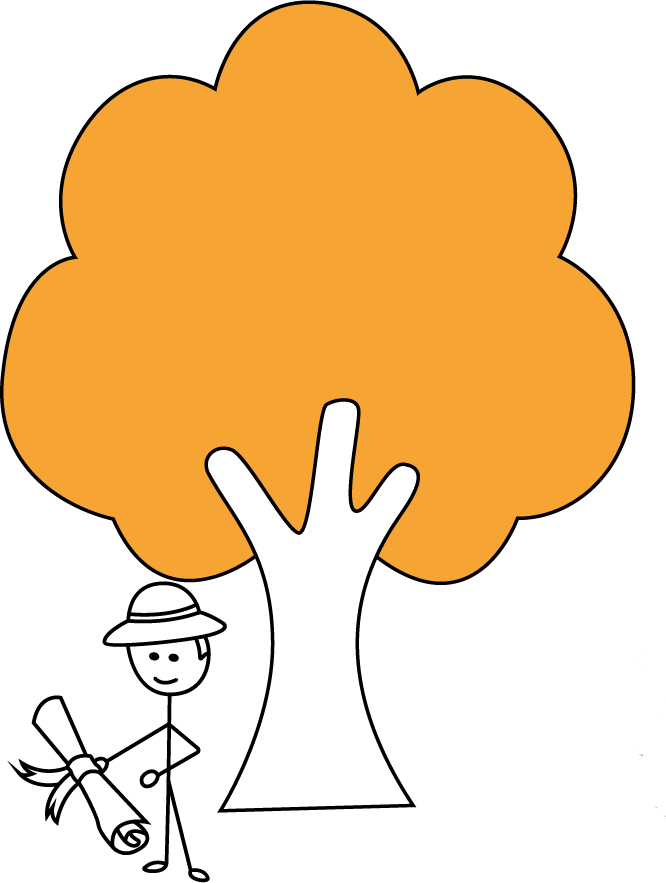
Direct Work is a planned, structured intervention delivered over multiple sessions. A trained practitioner gathers the child's history and works directly with them to fill information gaps, address misconceptions, explore their experiences and begin processing difficult information.
Therapeutic Life Story Work
Definition: “Uses psychodynamic therapy and a narrative of the young person’s history as a basis to explore and address maladaptive core beliefs, psychological challenges, complex behaviours and process trauma.”
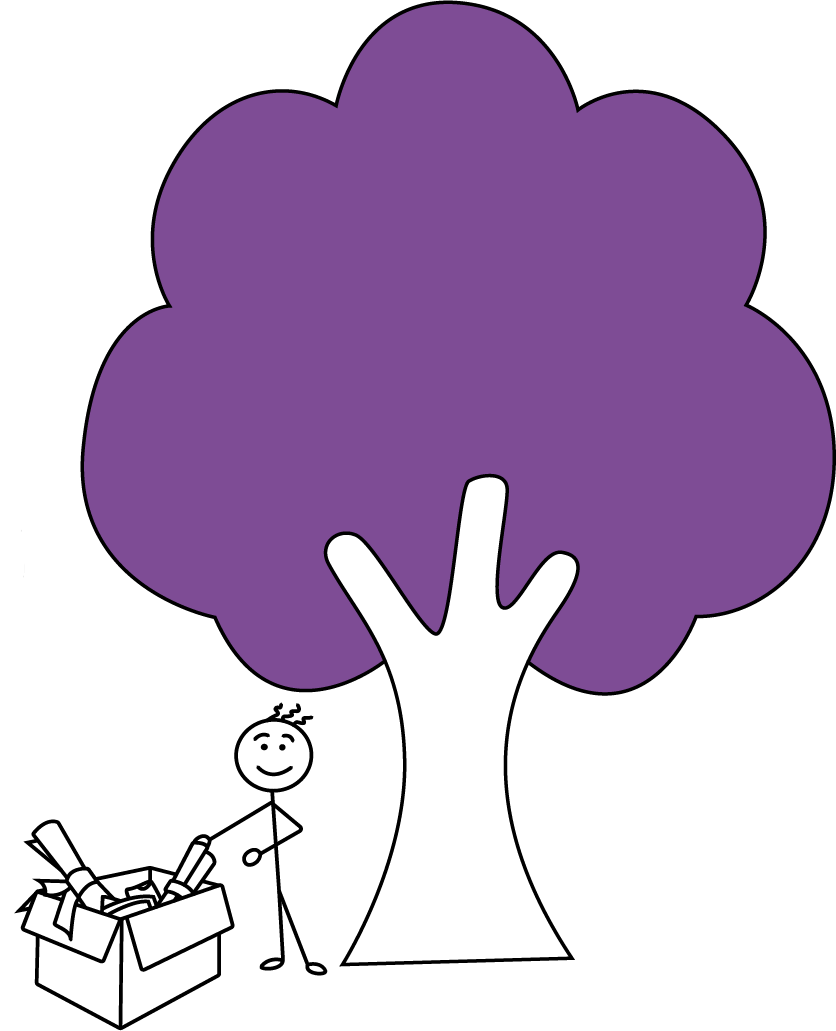
The most intensive of the Five Approaches, Therapeutic Life Story Work combines the child's life narrative with therapeutic techniques. It is used where children need specialist support to process trauma and address emotional, behavioural or psychological difficulties connected to their history.
Choosing the Right Approach
The Five Approaches allow us to match Life Story support to the child's individual needs and circumstances. A child may benefit from several approaches at the same time, or different approaches as their needs change throughout childhood.
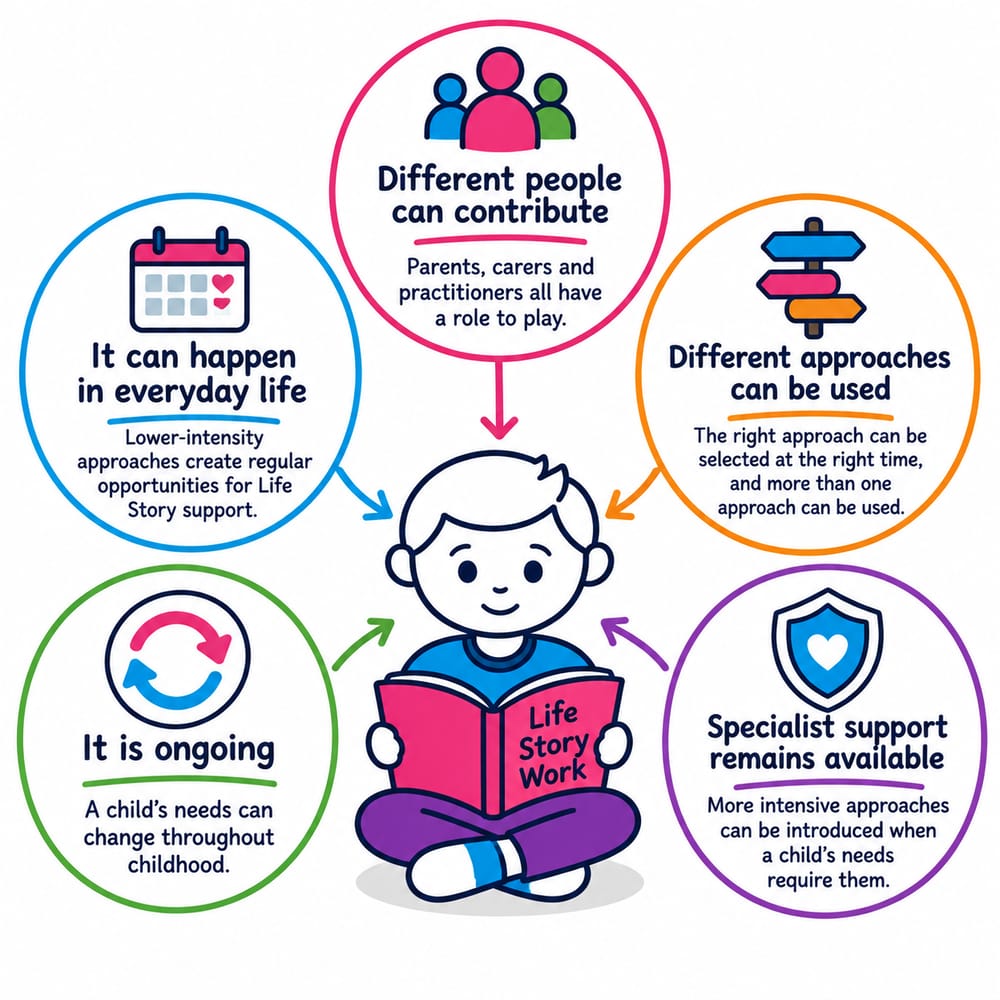
Life Story Work Is an Ongoing, Collaborative Process
- Life Story Work is ongoing: a child's needs can change throughout childhood.
- It doesn't rely on one person: parents, carers and practitioners can all contribute.
- It doesn't rely on one intervention: different approaches can be used at different times.
- It can happen in everyday life: lower-intensity approaches create regular opportunities for Life Story support.
- Specialist support remains available: more intensive approaches can be introduced when the child's needs require them.
A Shared Language for Life Story Work
The Five Approaches give us a shared language for Life Story Work. Instead of simply commissioning or delivering “Life Story Work”, we can be clearer about the purpose of the support being provided and how it contributes to the child's wider Life Story needs.
Want To Learn More? This article provides a brief introduction to the Five Approaches to Life Story Work. To explore the framework in more detail, watch our FREE instant-access Five Approaches to Life Story Work workshop or visit LifeStoryWork.com for further information, training and resources.
Life Story Work isn't one intervention, delivered by one person, at one point in childhood. It is ongoing support to help every child understand and make sense of their story
Putting it into Practice
Start with the need: What does the child need to understand?
Choose the approach: Which approach best meets that need?
Consider who: Who is best placed to provide that support?
Putting it into Practice
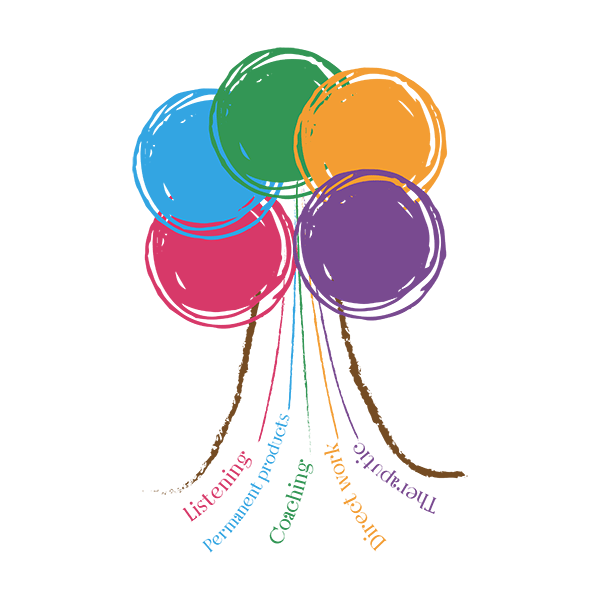
Across all Five Approaches: A shared language for identifying, planning and communicating the Life Story support a child needs.
Continue Exploring
The Five Approaches to Life Story Work
FREE WORKSHOP
Read The Book
The Five Approaches: A Definitive Guide to Life Story Work
Life Story Work
Training, resources & professional support
www.lifestorywork.com
About The Author
Founder of The Behaviour Clinic & Co-Creator of The Five Approaches To Life Story Work Model
· Behaviour Analyst
· Social Worker
· Therapist
· Author
· Researcher
Published By
© The Behaviour Therapy Clinic Ltd.
Developing evidence-informed approaches to trauma-informed care, therapy and professional practice that improve outcomes for children and young people.
Welcome to Life Story Articles. Exploring Life Story Work through research, theory and practice.
Blog Post Author:
Laura Neal
To The Five Approaches to Life Story Work Workshop
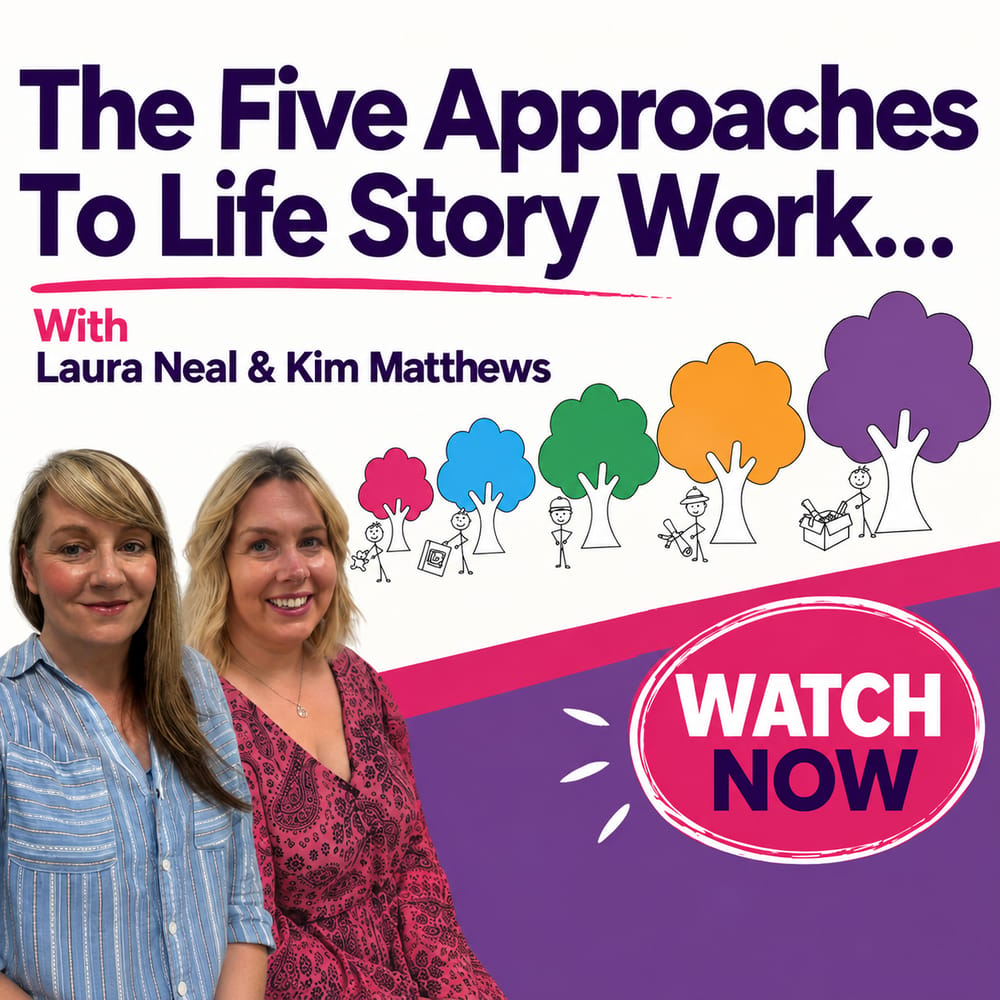
The five approaches are five defined methods of Life Story Work that can be used to support care experienced young people. The approaches have recently been published in the British Journal of Social Work. Sign Up to the FREE Instant Access Workshop to Find Out More...